

You will not be allowed to compare more than 4 products at a time
View compareBD Vacutainer Serum Tube 10 mL — Glass with Hemogard Closure
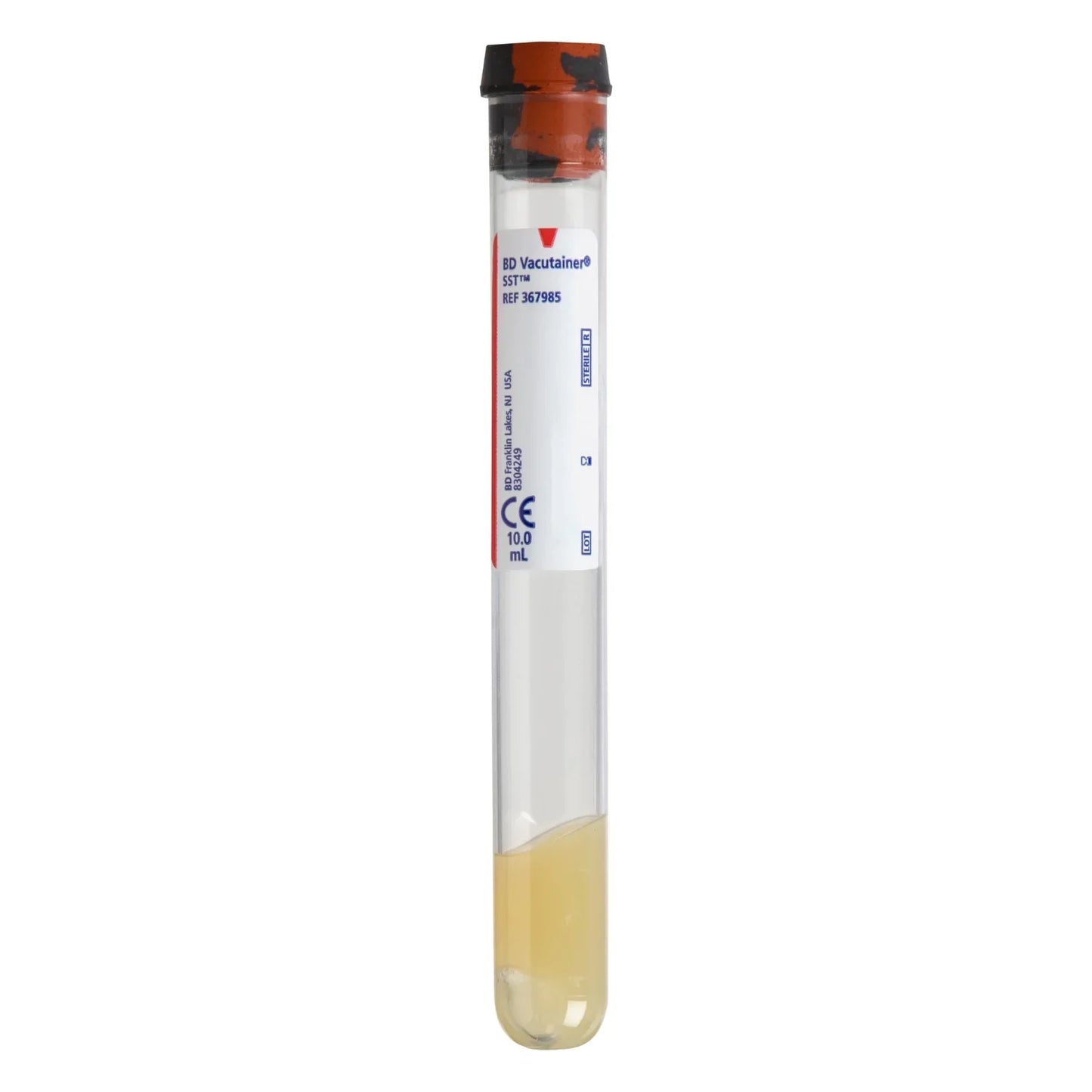
BD Vacutainer Serum Tube 10 mL — Glass with Hemogard Closure
Regular price
$4.00 CAD
Sale price
$4.00 CAD
Regular price
Unit price
per
Shipping calculated at checkout.
In stock
Description
Shipping Information
Why the Right Serum Tube Matters
Lab technicians know the wrong tube ruins the test before blood leaves the patient.
BD Vacutainer Serum Tube 10 mL with Hemogard closure is the trusted clinical standard.
This specific tube serves serum chemistry, hormone testing, drug monitoring, and serology daily.
The 10 mL volume provides ample serum for multiple tests from a single patient draw.
Yaletown Medical Supplies stocks this BD tube for Vancouver clinics, labs, and veterinary practices.
Read this guide before ordering — proper tube selection ensures accurate test results today.
What Makes This Specific Tube Different
Standard plastic serum tubes work for most routine testing in modern laboratory environments today.
Glass tubes excel where chemistry precision matters most — drug monitoring and reference standards.
This 10 mL tube measures 16 x 100 mm — fits all standard centrifuges and racks.
The Hemogard closure adds a plastic safety shield over the traditional rubber stopper underneath.
This shield prevents blood aerosol release during tube opening, protecting laboratory staff from exposure.
Red top color identifies this as a serum tube containing no anticoagulants or clot activators.
Key Features
Every feature on this specific tube addresses a real clinical or laboratory challenge:
10 mL fill volume — produces 3-5 mL of serum after centrifugation for multiple tests.
Borosilicate glass construction — chemically inert surface prevents interference with drug and chemistry assays.
16 x 100 mm dimensions — fits universal laboratory equipment racks, centrifuges, and analyzers.
No additive (serum tube) — allows natural blood clotting for clean serum separation.
Red Hemogard closure — color-coded for instant identification by phlebotomists worldwide daily.
Sterile interior — maintained vacuum seal prevents microbial contamination from manufacture to use.
Vacuum-sealed draw — automatic blood collection at correct volume without manual measurement.
Single-use design — eliminates cross-contamination risk between patient samples in busy clinics.
Stable shelf life — 12-18 months from manufacture date printed on each box.
Who Specifically Needs This Tube
Several clinical and laboratory groups use this specific tube on a daily basis:
Clinical laboratories running general chemistry, electrolytes, kidney, and liver function panels daily.
Hospital outpatient labs drawing serum chemistry panels during patient appointments throughout the day.
Endocrinology clinics running hormone tests including thyroid, cortisol, and reproductive hormones.
Pain management clinics monitoring therapeutic drug levels for opioid or anticonvulsant patients.
Cardiology clinics monitoring lipid panels and cardiac enzyme tests during patient visits.
Veterinary clinics running animal serum chemistry panels on dogs, cats, and large animals.
Research laboratories requiring contamination-free glass tubes for sensitive analytical procedures.
Common Tests Using This Tube
The 10 mL glass red top serum tube handles many routine and specialty clinical tests:
Comprehensive metabolic panel (CMP) — glucose, electrolytes, BUN, creatinine, liver enzymes.
Basic metabolic panel (BMP) — abbreviated chemistry with electrolytes and renal markers.
Lipid panel — total cholesterol, HDL, LDL, and triglycerides for cardiac risk assessment.
Liver function tests (LFTs) — ALT, AST, ALP, bilirubin for hepatic disease monitoring.
Thyroid panel — TSH, T3, T4 for thyroid disorder diagnosis and ongoing management.
Therapeutic drug monitoring — phenytoin, valproic acid, lithium, digoxin, and gentamicin levels.
Serology — hepatitis screening, HIV antibody, syphilis (RPR), and Lyme disease antibodies.
Tumor markers — PSA, CEA, AFP, CA-125 for cancer screening and monitoring.
How to Use the Tube Properly
Proper technique ensures accurate test results and prevents sample rejection at the laboratory.
Step 1: Inspect the tube for cracks, vacuum loss, or expired date before patient use.
Step 2: Prepare the patient with proper venipuncture technique and tourniquet application.
Step 3: Insert the multi-sample needle into the tube holder and prepare for collection.
Step 4: Follow the standard order of draw if collecting multiple tube types together.
Step 5: Push the tube onto the needle — vacuum draws blood automatically.
Step 6: Allow the tube to fill completely to the indicated 10 mL volume line.
Step 7: Remove the filled tube and gently invert 5 times to mix any activator.
Step 8: Label the tube immediately with patient identifiers and collection time clearly.
Step 9: Allow the tube to clot at room temperature for 30 minutes minimum.
How to Process After Collection
After collection, follow proper handling steps to preserve sample integrity for accurate testing:
Step 1: Stand the tube upright in a rack during the 30-minute clotting period.
Step 2: Centrifuge at 1500g for 15 minutes after clotting finishes completely.
Step 3: Inspect the spun tube — clear yellow serum should appear above the cellular clot.
Step 4: Aliquot or test the serum within 2 hours of centrifugation for best stability.
Step 5: Refrigerate samples at 2-8°C if testing is delayed beyond 2 hours.
Step 6: Freeze samples at -20°C or below for storage beyond 48 hours.
Step 7: Never freeze whole blood — always separate serum from cells first.
Common Mistakes That Compromise Test Results
Several recurring mistakes invalidate serum tube samples in real clinical practice every day:
Underfilling the tube — partial vacuum draws affect clotting and serum yield significantly.
Vigorous shaking during inversion — hemolysis ruins many chemistry and hormone tests.
Skipping the 30-minute clot time — incomplete clotting blocks the centrifuge separation step.
Centrifuging too aggressively — excessive g-force breaks fragile glass tubes during processing.
Storing serum on the cells — prolonged contact alters glucose and potassium values.
Drawing out of order — additive carryover from other tube types contaminates serum.
Using expired tubes — vacuum strength drops past expiration, causing partial fills routinely.
Mislabeling tubes — wrong patient identification creates dangerous laboratory errors throughout the workflow.
Glass vs Plastic Serum Tubes
Modern labs choose between glass and plastic serum tubes based on specific testing requirements:
Glass advantages:
Chemically inert surface — no leachable plasticizers affecting trace analyses.
Better optical clarity for visual sample inspection during processing.
Preferred for therapeutic drug monitoring and trace element testing.
Standard for reference laboratory protocols established decades ago.
Plastic advantages:
Break-resistant during transport and processing operations.
Lighter weight reduces shipping costs significantly between facilities.
Safer for laboratory staff with no sharps glass injuries.
Now the modern hospital standard for routine chemistry tests.
Yaletown stocks both glass and plastic options across the BD Vacutainer serum tube line.
The Hemogard Advantage Over Standard Stoppers
Hemogard closures include a plastic shield over the traditional rubber stopper for safety reasons.
Older conventional stoppers presented several documented workplace safety problems for laboratory staff:
Blood aerosol release — opening the tube sprayed micro-droplets into surrounding air.
Splatter during removal — droplets contaminated countertops, equipment, and personnel directly.
Bloodborne pathogen exposure — HIV, hepatitis B, hepatitis C transmission risk increased.
Workplace injury claims — needle-sticks and blood contact during routine tube handling.
Hemogard solves these issues with a plastic over-cap that contains splatter during opening.
WorkSafeBC and Canadian provincial regulations recommend Hemogard-style closures on all clinical blood tubes.
Why BD Vacutainer Sets the Global Standard
BD (Becton Dickinson) invented the Vacutainer system in 1947, replacing manual syringe collections.
The original vacuum-sealed tube design eliminated multiple sample transfer steps prone to error.
BD continues refining the Vacutainer line with the Hemogard safety closure introduced in the 1990s.
Major Canadian hospital systems standardized on BD Vacutainer for clinical reliability and consistency reasons.
The brand commands 70% of the global blood collection tube market for proven clinical performance.
Over 75 years of BD innovation has built the lab industry's most trusted brand worldwide.
Why Buy From Yaletown Medical Supplies
Yaletown Medical Supplies stocks authentic BD Vacutainer tubes through authorized Canadian distribution channels only.
Counterfeit lab tubes circulate widely online and often fail vacuum tests during clinical use.
Our trained staff explain proper handling and processing during your in-store visit anytime.
We also stock complementary phlebotomy supplies — needles, holders, transfer devices, and tourniquets nearby.
Clinical accounts qualify for bulk pricing on this and other standard hospital tube types.
Yaletown provides itemized receipts for institutional procurement and audit compliance requirements during reviews.
Frequently Asked Questions
Why choose glass over plastic for serum collection?
Glass surfaces are chemically inert — no leachable compounds interfere with sensitive drug or trace tests.
Plastic tubes work for routine chemistry, but glass remains preferred for specialty reference assays.
How much serum does the 10 mL tube produce after centrifugation?
Expect 3-5 mL of serum after proper centrifugation — enough for multiple chemistry tests.
Hemolyzed or lipemic samples may produce less usable serum during the separation process.
Can I order in bulk for our laboratory or clinic?
Yes — Yaletown Medical Supplies offers institutional pricing for clinical accounts with bulk orders.
Contact our team to discuss volume discounts and recurring order arrangements for your facility.
What is the shelf life of this serum tube?
BD Vacutainer tubes have a 12-18 month shelf life printed on each box.
Store tubes at room temperature, away from direct sunlight and high humidity environments daily.
Does this tube fit standard laboratory centrifuges?
Yes — 16 x 100 mm fits universal laboratory centrifuges, racks, and most clinical analyzers.
Always verify your specific equipment specifications before changing tube sizes during procurement.
Why is the red top tube not suitable for hematology?
Red top tubes allow blood to clot — destroying the cellular components needed for CBC analysis.
Use lavender or purple EDTA tubes for hematology testing including complete blood counts.
Can I use these tubes for veterinary blood collection?
Yes — BD Vacutainer 10 mL glass serum tubes work for canine, feline, and large animals.
Veterinary labs use this size for routine biochemistry panels and therapeutic drug monitoring.
How long can serum sit on the cells before processing?
Process within 2 hours of clotting — prolonged contact alters potassium, glucose, and other analytes.
For delayed testing, aliquot the serum into a transfer tube and refrigerate or freeze samples.
Order Reliable Serum Tubes for Your Clinic Today
Reliable test results start with the right blood collection tube during every patient draw.
BD Vacutainer 10 mL Glass Serum Tube with Hemogard closure is the trusted clinical standard.
Visit Yaletown Medical Supplies for bulk pricing and authentic BD products today.
Stop wasting samples on the wrong tube — switch to BD Vacutainer starting now.
We take great care to ensure that your order reaches you safely and promptly. All orders are processed and dispatched within 1-3 business days, depending on product availability. We work with reliable shipping partners to ensure fast and secure delivery.
Once your order has been shipped, you will receive a tracking number to monitor the progress of your shipment. Delivery times may vary depending on your location, typically ranging from 3 to 9 business days.
Please note that shipping will only be processed once payment has been fully completed. Orders will not be shipped until the payment is confirmed.
If you have any questions, feel free to contact our customer support team. We are happy to assist you.
Thank you for choosing us. We are committed to delivering your order promptly and ensuring a seamless shopping experience.